


How to Shop a French Market Like a Local
Paris alone has more than 90 markets, 65 of them open-air. Here's the etiquette that separates a smooth market visit from an awkward one.
Photo by Terry Granger on Unsplash

Written · Last updated
Reach across a French market stall and grab your own tomatoes, and you've already marked yourself as a tourist.
French markets run on a different set of unwritten rules than a supermarket or a farmers market back home. Learning them takes about five minutes and changes the entire experience.
Key takeaways
Paris alone has more than 90 markets, including 65 open-air and 13 covered halls. Vendors, not shoppers, handle the produce; picking it up yourself reads as rude. Haggling isn't customary since prices are generally fixed, and a "bonjour" before you order matters more than most visitors expect.
How many markets does France actually have?
Paris alone has more than 90 markets, split between 65 open-air markets and 13 covered halls, spread across every arrondissement (France.fr, Guide to the Markets of Paris, retrieved 2026-09-12). Nearly every French town of any size runs at least one weekly market, typically on a fixed morning or two rather than daily.
That density means market shopping isn't a special occasion for locals the way it can feel for visitors. It's closer to a routine errand, which explains why the etiquette around it is so unspoken and so easy to get wrong as an outsider.
Why shouldn't I touch the produce myself?
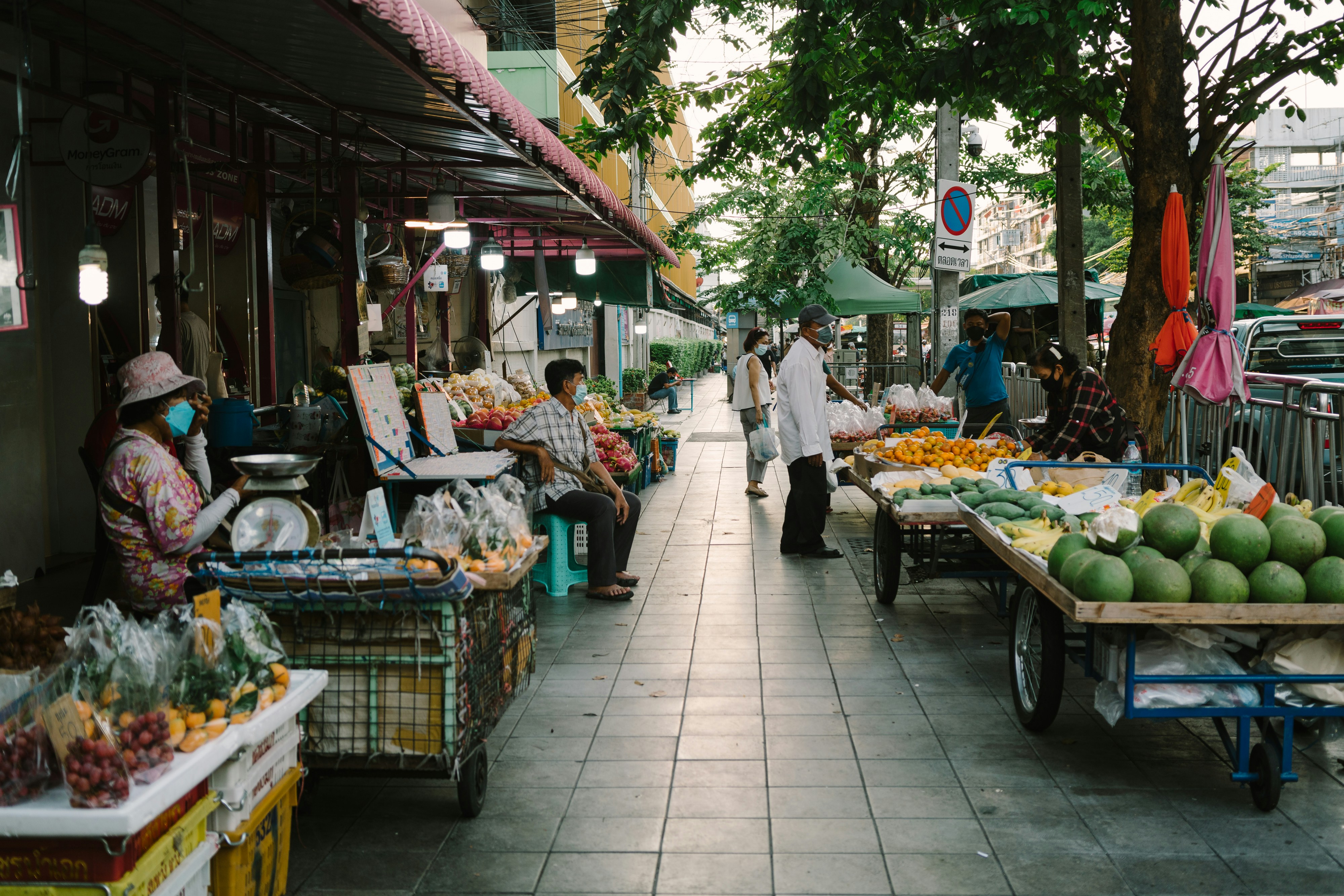
Unless you're at a self-service supermarket, the vendor handles the produce, not you, and reaching in to pick your own items is one of the fastest ways to get a cold reaction at a French market stall (Everyday Parisian, How to Shop a French Market Like a Local, retrieved 2026-09-12). Tell the vendor what you want and how much, or describe when you plan to eat it, and they'll select it for you.
Mentioning a timeline, "for tonight" or "for the weekend," gets noticeably better results than just naming the item. Vendors routinely hand over a different, better-timed piece of fruit or cheese once they know when it's actually being eaten.
Is it rude not to say "bonjour" before shopping?
Yes, in practice. Greeting the vendor with "bonjour" before starting the transaction, then "merci" and "au revoir" on the way out, is treated as basic courtesy rather than optional politeness (Taste of France, Etiquette in French Markets, retrieved 2026-09-12). Skipping it doesn't end a transaction, but it noticeably changes the tone of the interaction.
A short phrase list goes further than most visitors expect: "bonjour," "je voudrais..." (I would like...), "merci," and "au revoir" cover the vast majority of a typical stall interaction. For the fuller phrase set, see restaurant French for ordering food, which covers similar ground for sit-down dining.
Can I negotiate prices at a French market?
No, not in the way haggling works in some other countries. French market prices are generally fixed and displayed, and attempting to negotiate is more likely to create an awkward moment than save money. The one exception is very light negotiation at the literal end of the day, when a vendor may reduce prices on produce that won't keep until the next market day.
How do I know what's actually in season?
French markets lean hard on seasonal produce, and a good rule of thumb is that if a fruit or vegetable is prominently displayed and cheap, it's in season; if it's tucked away and pricier, it's been shipped in from elsewhere. Each region also has its own specialties worth asking about directly. The Normandy food guide, the Provence food guide, and the Brittany food guide each cover what to look for regionally.
For the cheese and bread side of market shopping specifically, see the French cheese guide and the French bread and pastry guide.
| Do | Don't |
|---|---|
| Say "bonjour" before ordering | Reach in and touch the produce yourself |
| Tell the vendor when you'll eat it | Expect to negotiate the listed price |
| Bring small bills/coins for smaller stalls | Show up right at closing expecting full selection |
| Try a sample if offered | Rush the interaction like a supermarket checkout |
Frequently asked questions
More than 90, including 65 open-air markets and 13 covered halls, spread across every arrondissement, according to France's official tourism site.
No, generally. Vendors select items for you based on what you ask for and when you plan to eat it. Picking up produce yourself is treated as impolite outside self-service supermarkets.
No. Prices are generally fixed and displayed. Very light negotiation sometimes happens at the end of the day on produce that won't keep, but it isn't the norm.
Not fluently, but a few phrases like "bonjour," "je voudrais," and "merci" noticeably improve the interaction and are considered basic courtesy rather than optional.
The bottom line
French market etiquette comes down to a handful of habits: greet first, let the vendor handle the produce, and don't expect to negotiate.
- Paris alone has more than 90 markets; most French towns run at least one weekly
- Vendors select produce for you; don't reach in yourself
- Prices are fixed; haggling isn't customary
- For the full regional food map, see the French food guide
Before you go
Plan the rest of your trip
Choose where to stay, work out your train route, and check what travel insurance covers before you book.
Related Guides

French Food Guide: What to Eat in Every Region
French food splits sharply by region: Norman cider, Alsatian choucroute, Provençal bouillabaisse. A region-by-region map of what to eat and where.

French Cheese Guide: Regions, Types, and How to Buy It
France has 46 AOP-certified cheeses out of hundreds of named varieties. Comte alone accounts for nearly 36% of all AOP cheese production.

Restaurant French: A Guide to Ordering Food in France
The 20 French phrases you need to get a table, order confidently, ask about ingredients or allergies, and pay the bill without fumbling for the app.