


French Cheese Guide: Regions, Types, and How to Buy It
France has 46 AOP-certified cheeses out of hundreds of named varieties. Comte alone accounts for nearly 36% of all AOP cheese production.
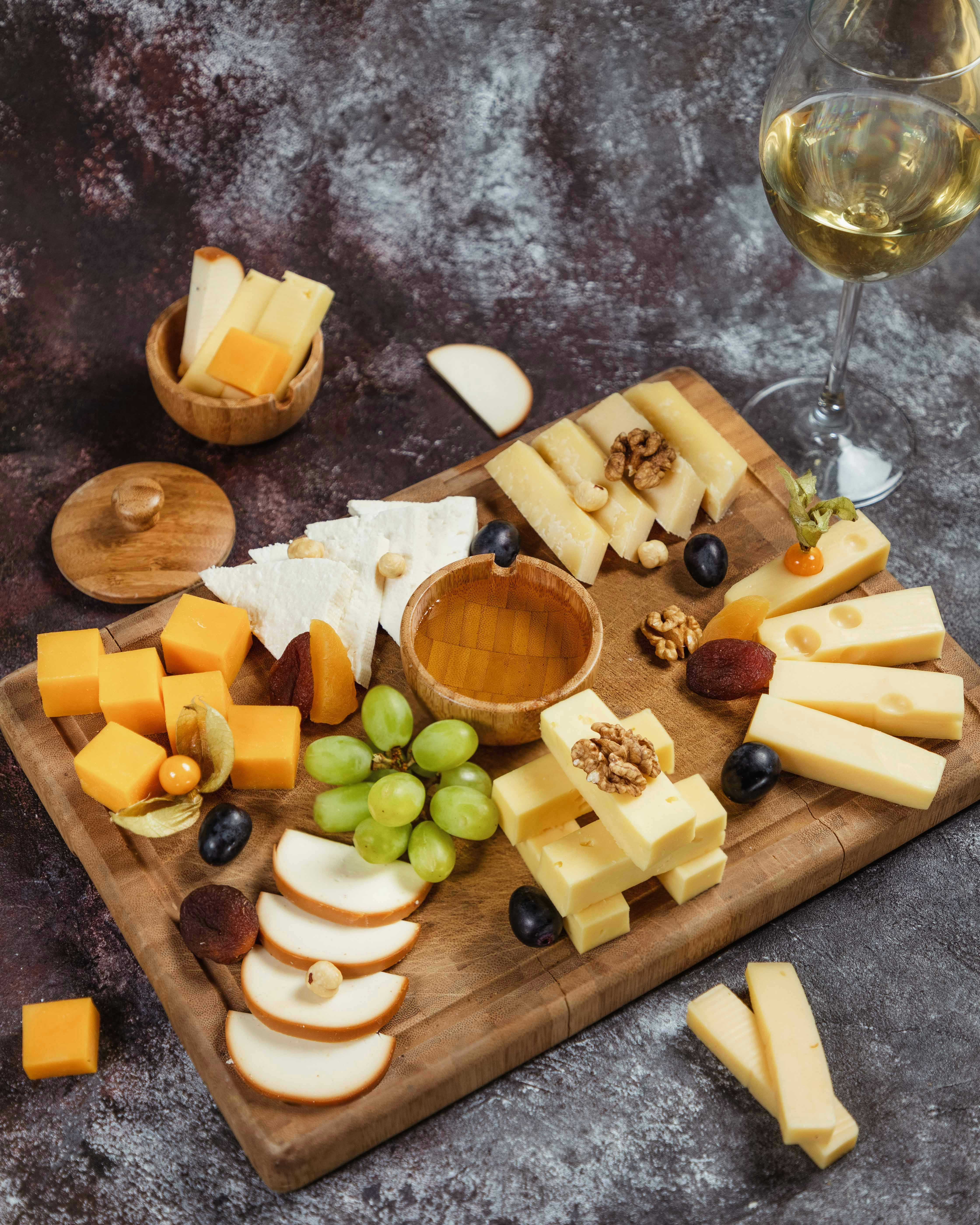
Photo by Eric Prouzet on Unsplash

Written · Last updated
France has somewhere between 400 and 1,600 named cheeses, depending on how strictly you count, but only 46 carry the country's strictest legal protection.
That gap between "named" and "protected" is the fastest way to understand French cheese without memorizing hundreds of names.
Key takeaways
France has 46 AOP-certified cheeses as of 2026, out of hundreds of named varieties overall. Comté alone accounts for nearly 36% of all AOP cheese production by volume, at roughly 62,700 tonnes a year. Cow's milk cheeses make up 87% of AOP volume; goat and sheep milk cheeses fill smaller, more distinct niches.
How many cheeses does France actually have?
France has 46 AOP (Appellation d'Origine Protégée) certified cheeses as of 2026, a small, legally protected subset of the several hundred to over a thousand named cheeses produced across the country (Agrilinkage, French AOP Cheeses: The Complete Guide, retrieved 2026-09-12). AOP status restricts a name to cheese made in a defined region using traditional methods, similar to the wine appellation system.
An AOP label is a better predictor of authenticity than price. AOP cheeses command roughly 65% higher prices than non-AOP equivalents on average, but that premium reflects certified production methods, not necessarily better flavor for every palate.
Which single cheese dominates French AOP production?
Comté is France's largest AOP cheese by volume, producing roughly 62,700 tonnes annually, nearly 36% of all AOP cheese production combined (Agrilinkage, retrieved 2026-09-12). It's a cow's milk cheese from the Jura region, aged for a minimum of four months and often much longer, with flavor that shifts noticeably with age.
Cow's milk cheeses overall make up 87% of AOP volume (roughly 175,309 tonnes), including Comté, Reblochon, and Camembert de Normandie, covered in the Normandy food guide. Sheep's milk AOP cheeses, led by Roquefort, account for about 9.5% of volume, while goat's milk cheeses make up the remaining 3.3%, spread across 14 distinct AOP varieties.
| Milk type | AOP cheeses | Share of AOP volume | Example |
|---|---|---|---|
| Cow | 28 | 87% | Comté, Camembert de Normandie |
| Sheep | 3 | 9.5% | Roquefort |
| Goat | 14 | 3.3% | Crottin de Chavignol |
How should I buy cheese at a French market or cheese shop?
Tell the fromager (cheesemonger) what you're buying it for and when you plan to eat it, rather than picking a wedge yourself; a good cheesemonger adjusts ripeness to your timeline the same way a wine shop might recommend a drinking window. See how to shop a French market like a local for the broader etiquette this fits into.
Asking "which one is ready to eat tonight" gets a completely different recommendation than asking "which one is your best Comté," and both are useful questions depending on your timeline.
What's the simplest rule for pairing cheese and wine?
Pair cheese and wine from the same region, since they typically share the same terroir, soil, climate, and farming traditions that shape both products (Winery Insider, French Cheese & Wine Pairing by Region, retrieved 2026-09-12). Roquefort with Sauternes and Crottin de Chavignol with a Loire Sauvignon Blanc are two of the pairings most French gastronomes agree on.
That regional-matching principle extends beyond cheese: France's AOP system protects the same 46 cheeses alongside more than 360 wine appellations under comparable geographic rules, which is why "what grows together goes together" works as a rule of thumb almost anywhere in the country.
Do I need to know the five cheese families?
Not by name, but recognizing the categories helps navigate a cheese counter fast: soft-ripened (Camembert, Brie), washed-rind (Reblochon, Munster), hard/semi-hard (Comté, Beaufort), blue (Roquefort), and goat. Each family behaves differently at room temperature and pairs differently with wine, so knowing the category matters more than knowing every name in it.
Frequently asked questions
46 as of 2026, a legally protected subset of the several hundred to over a thousand named cheeses produced across the country.
Comté, a cow's milk cheese from the Jura region, producing roughly 62,700 tonnes annually and accounting for nearly 36% of all AOP cheese production.
Not necessarily better-tasting, but it guarantees a specific region and traditional production method. AOP cheese typically costs about 65% more than non-AOP equivalents.
Five families: soft-ripened, washed-rind, hard/semi-hard, blue, and goat. Recognizing which family a cheese belongs to helps predict its texture and pairing more than memorizing individual names.
The bottom line
French cheese is less overwhelming once you separate the 46 AOP-protected names from the hundreds of others.
- AOP status guarantees region and method, not necessarily "best taste"
- Comté alone makes up nearly 36% of AOP cheese production
- Tell your cheesemonger when you plan to eat it, not just what you want
- For the full regional food map, see the French food guide
Before you go
Plan the rest of your trip
Choose where to stay, work out your train route, and check what travel insurance covers before you book.
Related Guides

French Food Guide: What to Eat in Every Region
French food splits sharply by region: Norman cider, Alsatian choucroute, Provençal bouillabaisse. A region-by-region map of what to eat and where.

How to Shop a French Market Like a Local
Paris alone has more than 90 markets, 65 of them open-air. Here's the etiquette that separates a smooth market visit from an awkward one.

Normandy Food Guide: Cider, Calvados, and Camembert Country
Normandy's food identity rests on four things: cream, Camembert, cider, and Calvados. Here's where the PDO-protected versions actually come from.