


Food Allergies in France: A Practical Guide
EU law has required restaurants to track 14 major allergens since December 2014. Here's how that plays out in French restaurants, and the phrases that work.
Photo by Bas Peperzak on Unsplash

Written · Last updated
France has a legal framework for allergen information. Whether a given restaurant uses it well is a separate question entirely.
EU Regulation 1169/2011, directly applicable across all member states including France since December 13, 2014, requires food businesses to track 14 specified allergens for anything served to customers (Menutech, EU 1169/2011 Guide: Allergen Labelling Requirements, retrieved 2026-09-12). Knowing that framework exists changes how you should approach the conversation at the table.
Key takeaways
Since December 2014, EU law has required French restaurants to track 14 major allergens, though the law only requires the information be available on request, not printed on the menu. "Sans gluten" (gluten free) is the single most useful phrase. Carrying a written allergy card removes ambiguity that spoken French alone can leave.
Does France legally require allergen information at restaurants?
Yes, but only on request. EU Regulation 1169/2011 requires restaurants to be able to provide allergen information for any of the 14 specified allergens (including celery, mustard, sesame, and molluscs), but restaurants are not required to print that information directly on the menu (AllergyPass, Food Allergies in France: EU Allergen Law vs. Real Restaurant Reality, retrieved 2026-09-12). In practice, that means you often have to ask rather than read.
The gap between "the law requires it" and "the staff volunteers it" is where most allergy problems in France actually happen. Assume you need to initiate the conversation every time, even at restaurants that clearly have the information on file somewhere in the kitchen.
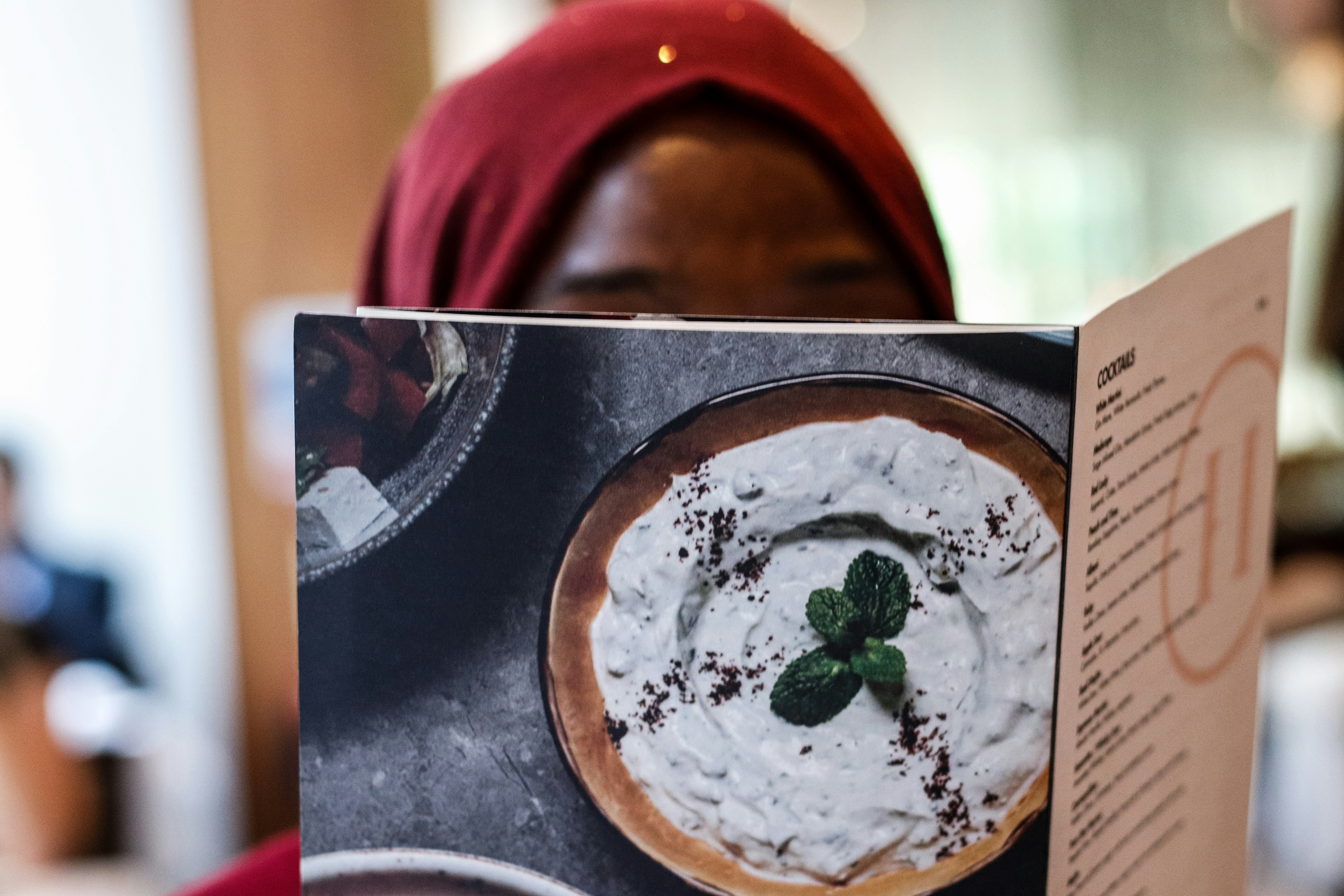
What French phrases actually get results at the table?
"Sans gluten" (gluten free) is the single phrase worth memorizing before anything else, since it's understood everywhere from bakeries to fine dining. Beyond that, a direct sentence works better than a vague one: "Je suis allergique à [allergen]. Est-ce que ce plat en contient?" (I am allergic to [allergen]. Does this dish contain it?) puts the burden on staff to check rather than guess.
Asking about shared cooking equipment specifically, "les frites sont-elles cuites dans la même huile que des aliments panés?" (are the fries cooked in the same oil as breaded foods?), catches cross-contamination risks that a simple ingredient question misses entirely.
Should I bring a printed allergy card?
Yes, especially for anything beyond a mild preference. Written allergy cards in French and English exist specifically for restaurants, hotels, and stores, and remove any ambiguity that a language barrier or a rushed conversation might introduce (Gluten & Allergy Free Passport, retrieved 2026-09-12). A card handed directly to kitchen staff, rather than a server relaying a verbal request, cuts out an extra layer where details can get lost.
| Situation | What to say/show | Why it works |
|---|---|---|
| Mild preference | "Sans [ingredient], s'il vous plaît" | Fast, low-stakes |
| True allergy | Written allergy card in French | Removes translation risk |
| Cross-contamination concern | Ask about shared oil/equipment directly | Catches hidden risk |
| Celiac disease | State "cœliaque" specifically, not just "gluten free" | Signals medical severity, not preference |
Is gluten-free dining realistic in France?
Yes, with more preparation than in some countries. Traditional French cuisine leans heavily on bread and wheat-based dishes, but Paris and major cities now have dedicated sans gluten restaurants, while smaller towns may be less familiar with celiac-level cross-contamination risks. Stating "cœliaque" (celiac) rather than just "sans gluten" signals a medical requirement rather than a preference, which tends to get taken more seriously by kitchen staff.
For the wider dietary picture beyond allergies specifically, see the vegetarian and vegan guide to France. For general ordering phrases, see restaurant French for ordering food. If you'd rather avoid restaurant risk altogether, the French grocery store guide covers self-catering and reading French ingredient labels.
Frequently asked questions
They're required to track 14 specified allergens under EU Regulation 1169/2011, in effect since December 2014, but only have to provide that information on request, not print it on the menu.
"Sans gluten" (gluten free) covers the single most common request. For a true allergy, a full sentence naming the allergen and asking directly gets more reliable results than a single word.
Yes, for anything beyond a mild preference. A written card handed to kitchen staff removes translation ambiguity that a rushed verbal exchange with a server can introduce.
Better in cities than in small towns. Stating "cœliaque" specifically, rather than just "sans gluten," signals a medical need rather than a preference and tends to get a more careful response.
The bottom line
France's allergen law gives you a legal right to ask; it doesn't guarantee the information will be volunteered.
- EU law has covered 14 allergens in France since December 2014, on request only
- "Sans gluten" and a direct allergen question cover most situations
- A printed allergy card matters more than fluent French for true allergies
- For the full regional food map, see the French food guide
Before you go
Plan the rest of your trip
Choose where to stay, work out your train route, and check what travel insurance covers before you book.
Related Guides

French Food Guide: What to Eat in Every Region
French food splits sharply by region: Norman cider, Alsatian choucroute, Provençal bouillabaisse. A region-by-region map of what to eat and where.

Restaurant French: A Guide to Ordering Food in France
The 20 French phrases you need to get a table, order confidently, ask about ingredients or allergies, and pay the bill without fumbling for the app.

Vegetarian and Vegan Guide to France
Paris has nearly 80 fully vegan restaurants, but rural France still runs on meat- and dairy-heavy menus. Here's where plant-based dining actually works.