


Corsica Food Guide: Charcuterie, Brocciu, and Chestnuts
Corsica's food identity runs on chestnut-fed charcuterie and Brocciu cheese, AOP-protected since 2003. Here's what actually sets it apart from the mainland.
Photo by Big Dodzy on Unsplash

Written · Last updated
Corsica eats more like an island between France and Italy than like either mainland country, and its food identity reflects that in almost every dish.
Two ingredients dominate: free-range pigs fed on chestnuts and acorns, and a whey cheese found nowhere else in France in quite the same form.
Key takeaways
Corsican charcuterie, including prisuttu, coppa, lonzu, and figatellu, comes from pigs fed on chestnuts and acorns and aged 15-36 months. Brocciu, Corsica's signature cheese, received AOC status in 1998 and full AOP status in 2003. Chestnut flour, grown on roughly 200-250 island farms, replaces wheat flour in many traditional desserts.
What makes Corsican charcuterie different from the mainland?
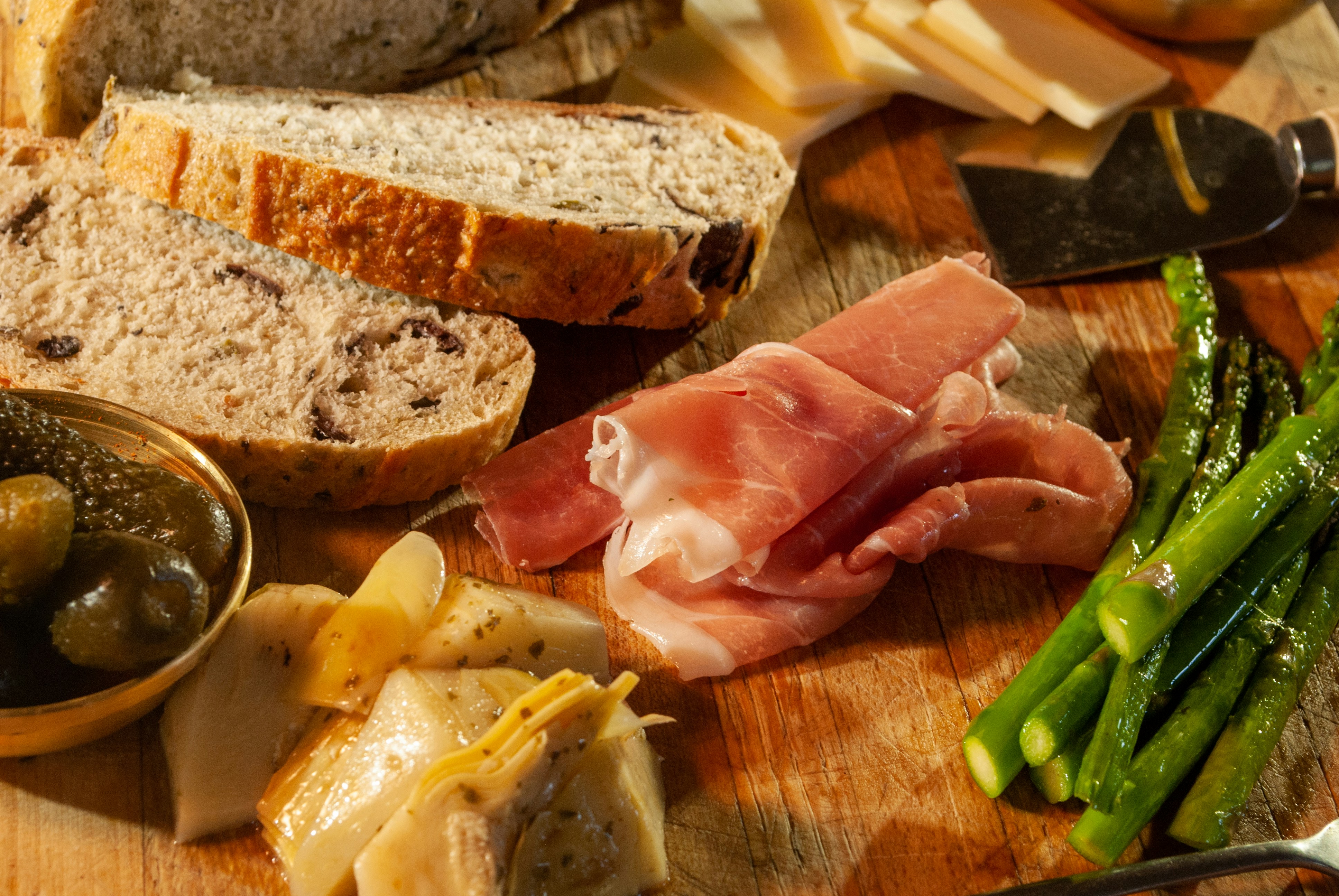
Corsican charcuterie comes from free-range pigs fed on chestnuts and acorns, giving cuts like prisuttu (dry-cured ham), coppa, lonzu, and figatellu a distinct nuttiness not found in mainland French charcuterie (Corsica Lovers, Food to Try in Corsica, retrieved 2026-09-12). Prisuttu specifically is aged between 15 and 36 months, considerably longer than most mainland dry-cured hams.
Figatellu, a liver-based sausage, is traditionally grilled or smoked rather than eaten raw like other Corsican charcuterie, which surprises visitors who assume all the island's cured meats work the same way.
What is Brocciu, and why does it carry legal protection?
Brocciu, a whey cheese made from goat's or sheep's milk, received AOC status in 1998 and full AOP protection in 2003, making it the only dairy product on the island with that level of legal recognition (French Ministry of Agriculture, Le Brocciu, le fromage AOP corse, retrieved 2026-09-12). It's soft, creamy, and mildly sweet, best tasted between December and April, and shows up both savory (stuffed into vegetables) and sweet (in fiadone, a Corsican cheesecake).
Corsica's food towns: Ajaccio and Bastia
- Ajaccio
- Bastia
Why does chestnut flour show up in so many Corsican dishes?
Chestnuts are grown on an estimated 200-250 farms across Corsica, and the flour milled from them replaces wheat flour in pulenda (chestnut polenta), canistrelli cookies, and fiadone cake (France.fr, Island Corsica Specialties and Gastronomy, retrieved 2026-09-12). The habit dates back to periods when wheat was scarce on the island and chestnuts, which grow easily in Corsica's mountainous interior, became the practical substitute.
Chestnut flour desserts taste noticeably earthier and less sweet than their wheat-flour equivalents. Expect a denser, more rustic texture than a typical French pâtisserie item.
What is aziminu, and how does it compare to bouillabaisse?
Aziminu is Corsica's version of a Mediterranean fish stew, built along similar lines to Marseille's bouillabaisse but without the same regulatory charter behind it. It leans on whatever fish is locally available rather than a fixed list of species, making it more variable from restaurant to restaurant than Provence's bouillabaisse.
How does Corsica's food scene compare to Provence and the Basque Country?
Corsica shares a Mediterranean base with Provence but replaces olive-and-herb cooking with pork, chestnut, and dairy traditions closer to mountain cuisine. It's culturally closer to the Basque Country food guide in one sense: both regions built food identities shaped as much by a neighboring country (Italy for Corsica, Spain for the Basque Country) as by mainland France.
| Item | Status/aging | Best known for |
|---|---|---|
| Brocciu | AOC (1998), AOP (2003) | Fiadone, stuffed vegetables |
| Prisuttu | Aged 15-36 months | Dry-cured ham |
| Figatellu | Grilled or smoked | Liver-based sausage |
| Chestnut flour | Grown on ~200-250 farms | Pulenda, canistrelli |
Frequently asked questions
Figatellu, a liver-based sausage traditionally grilled or smoked, along with prisuttu (dry-cured ham aged 15-36 months), coppa, and lonzu, all made from chestnut- and acorn-fed pigs.
A soft whey cheese made from goat's or sheep's milk, AOP-protected since 2003. It's best from December through April, though it's available in some form year-round.
Corsica's mountainous interior historically made wheat scarce, so chestnut flour, milled from trees grown across roughly 200-250 island farms, became the practical substitute in breads and desserts.
Both. Corsica sits between the two culturally, and dishes like aziminu (a fish stew similar to bouillabaisse) sit alongside pork and chestnut traditions with a more Italian, mountain-cuisine feel.
The bottom line
Corsica's food identity is shaped by geography as much as history: chestnuts from the mountains, pork raised on them, and a whey cheese unique to the island.
- Brocciu has carried AOP protection since 2003
- Prisuttu and other charcuterie are aged far longer than most mainland equivalents
- Chestnut flour replaces wheat in many traditional desserts
- For the full regional map, see the French food guide
Before you go
Plan the rest of your trip
Choose where to stay, work out your train route, and check what travel insurance covers before you book.
Related Guides

French Food Guide: What to Eat in Every Region
French food splits sharply by region: Norman cider, Alsatian choucroute, Provençal bouillabaisse. A region-by-region map of what to eat and where.

Corsica Travel Guide: Getting There and Choosing a Base
No train reaches Corsica, only ferry or flight. Here's how to get there, which base fits your trip, and how the island actually breaks down for first-timers.

Ajaccio or Bastia: Which Corsica Base Fits Your Trip?
Ajaccio for beaches and the south, Bastia for authenticity and the north. Here's which Corsica base actually fits the trip you're planning.